
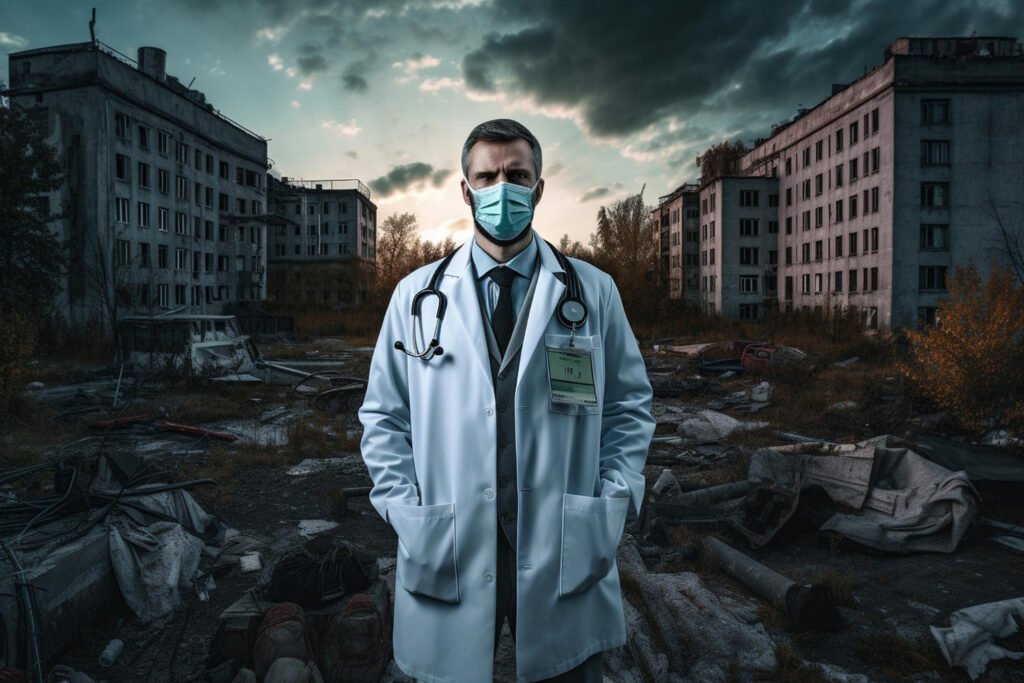
Unqualified medical practitioners often called fake doctors, informal providers, or quacks pose a serious threat to public health. While many people turn to them for convenience or low costs, the risks are far greater than they appear. These untrained individuals lack proper medical education, diagnostic knowledge, and ethical accountability, which can lead to misdiagnosis, improper treatments, long-term health complications, and even life-threatening consequences.
This blog explores the hidden dangers of unqualified medical practice and why choosing verified healthcare professionals is essential for protecting your health and your family’s well-being.
Why Unqualified Practitioners Are a Growing Concern
In many communities, especially rural and underserved areas, people rely on unqualified practitioners due to accessibility, affordability, or familiarity. However, the lack of regulation and medical training makes these practitioners extremely risky.
Their actions often result in:
- Incorrect diagnosis
- Wrong medications
- Delayed proper treatment
- Spread of infections due to unsafe practices
- Increased risk of complications
1. Misdiagnosis and Incorrect Treatment
Proper diagnosis requires clinical training, experience, and the use of medical tools. Fake practitioners often rely on guesswork or limited knowledge, leading to:
- Treating the wrong illness
- Prescribing unnecessary or harmful medicines
- Overlooking serious conditions like heart disease, cancer, or infections
Misdiagnosis is one of the biggest reasons patients suffer long-term damage.
2. Dangerous Use of Antibiotics
Unqualified practitioners frequently prescribe antibiotics for viral infections, pain, fever, or any illness they cannot understand. This leads to:
- Antibiotic resistance
- Treatment failure
- Severe side effects
- Weakened immunity
Antibiotic misuse is a global health threat, and untrained practitioners contribute heavily to this crisis.
3. Unsafe Injections and Medical Procedures
Many informal providers give unnecessary injections because patients believe injections “work faster.”
But unsafe practices cause:
- HIV, hepatitis B & C transmission
- Abscesses and nerve damage
- Life-threatening allergic reactions
- Severe infections due to reused or unsterile needles
Proper hygiene protocols require training that unqualified practitioners simply do not have.
4. Delay in Seeking Proper Medical Care
The biggest hidden danger is delayed treatment.
When people trust unqualified practitioners first:
- Early signs of serious diseases are missed
- Emergency cases are handled incorrectly
- Patients reach hospitals too late for effective treatment
This delay can turn a treatable condition into a life-threatening one.
5. Lack of Accountability and Ethics
Certified doctors follow professional ethics, medical protocols, and legal responsibilities.
Fake practitioners:
- Have no accountability
- Provide false claims
- Use unproven treatments
- Mislead patients for money
With no formal oversight, patient safety is always at risk.
6. Harm to Public Health
Unqualified medical practice doesn’t just harm individuals—it harms entire communities.
They contribute to:
- Spread of infectious diseases
- Drug-resistant bacteria
- Unsafe maternal and child care
- Poor vaccination practices
Overall public health declines when inappropriate care becomes normalized.
7. How to Identify a Qualified Doctor
Always verify:
- Medical degree (MBBS, MD, MS, etc.)
- State Medical Council registration
- Hospital association or clinic license
- Certifications displayed at the clinic
If anything seems suspicious, do not continue treatment.
8. Why Choosing Registered Medical Care Saves Lives
Only trained and licensed professionals:
- Diagnose accurately
- Provide correct treatment
- Use safe procedures
- Follow medical ethics
- Maintain proper records
- Know when to refer to specialists
Your health is too valuable to risk with untrained individuals.
Final Thoughts
The dangers posed by unqualified medical practitioners are real, preventable, and far more harmful than many people realize. Choosing proper medical care is not just a personal decision it is a life-saving one.